Ideas
Ideas are good for the mind. So is exploring thoughts that are not already yours. Making a physical or written thing completes the loop. This page is about that work — practical, global, without a couch and without a comment board.
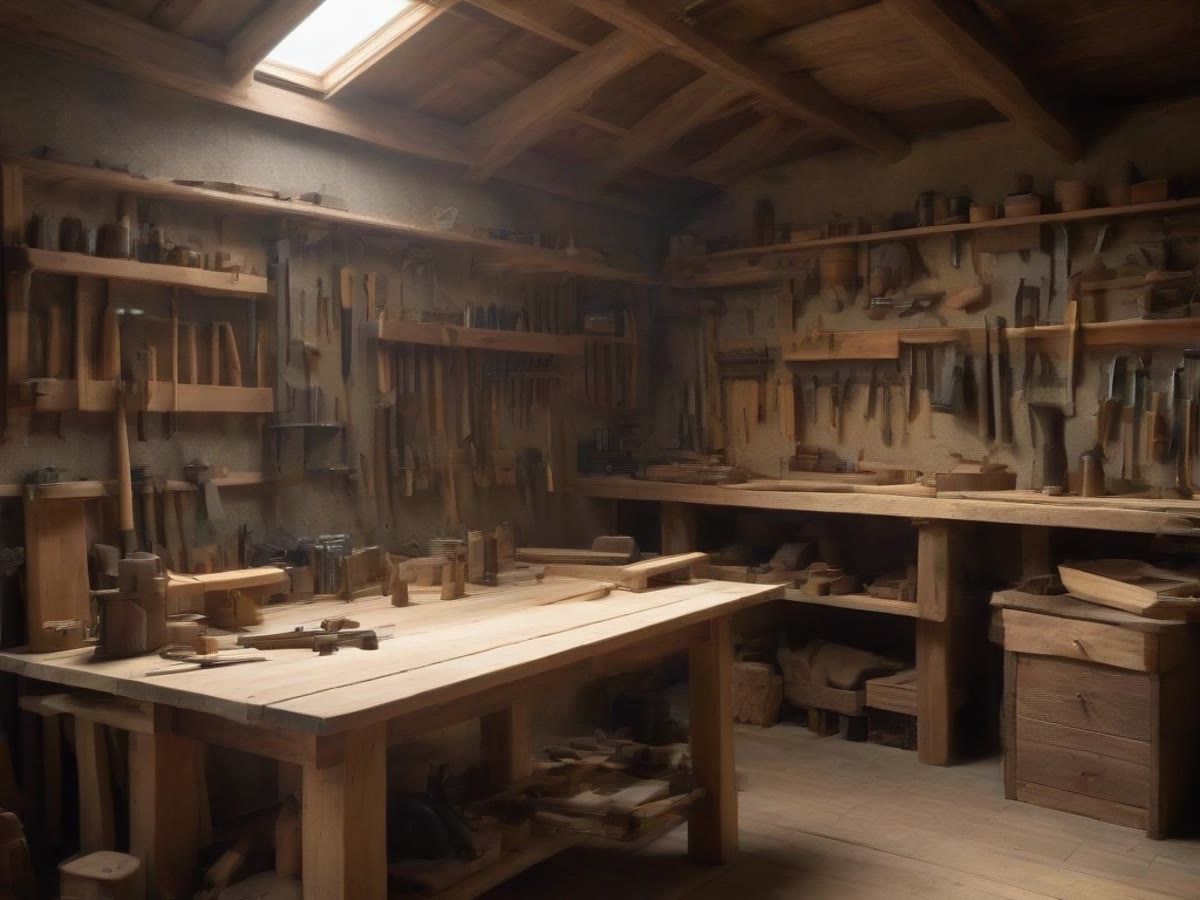

A body sits still for only so long before the mind starts to chew its own furniture. Making interrupts that. So does taking another person’s view seriously enough to build something in reply. You do not need permission, a brand, or a prompt that pretends to be a clinician. You need a bit of time, a material, and a willingness to see an ugly first version.
Why making helps a mind
An idea that stays in the head can be perfect and therefore fake. On paper, in wood, in code, in a loaf, in a chord sequence, it meets resistance. Resistance is information. The hand finds a joint that the sentence skipped. Other people, if you show them the thing, bring perspectives you would not have invented. That is not a personality contest. It is how culture actually moves: someone makes, someone answers, the object sits in the world whether you are praised or not.
Exploring thoughts that are not yours is a related craft. Read a view you dislike to the end. Copy a drawing in order to see it. Cook a method from a cuisine that is not the one you grew up in, with respect and a recipe, not as costume. Travel if you can; walk a different neighbourhood if you cannot. The point is to widen the sample, not to collect souvenirs of being open-minded.
A few prompts that end in a thing
- Write one page that explains a tool you use — a pan, a wrench, a program — to a stranger who has never seen it. Then make or mend the tool if it needs it.
- Build a small physical object this week: a repaired hinge, a shelf, a hem, a meal from a whole raw ingredient, a drawing of your own hand. Photograph nothing unless the photograph is the work.
- Take a claim you heard this month and write the strongest version of the other side, without caricature. Stop after thirty minutes. You are practising perspective, not hosting a tribunal.
- Copy a public-domain paragraph by hand, then write three sentences of your own that the original made possible. The literature shelf has candidates.
- Learn ten words in a language you do not speak, out loud, and use them with a person or a recording that can correct you. The communication page is the longer map.
- Walk without earphones for twenty minutes and then sketch, list, or build one thing you noticed. The noticing is not the product. The thing is.
How to use a prompt without making a project of yourself
Ten minutes is enough. A scrap of paper is enough. You are not building an audience. If you make every day, that is your business. If you make twice a year, that is also a human pace. Some people think better while moving; take the prompt on a path and talk out loud if you will not bother anyone. Some people think better by assembling: a soup, a joint, a drawn circle. Answer in those languages too.
Do not use this page as a therapist. A notebook cannot talk back when you are in danger. If work uncovers a lack of will, or a memory you cannot hold, stop and use a living service: local emergency services or a local crisis line. This site is not that service.
There is no submit button here on purpose. Ideas can stay yours until you choose to make them public as a finished thing. For now the table is quiet. Quiet is a workshop condition, not a failure of the site.